Projects, Activities, and Lessons for created by teachers for students ages 9-14.

This project is funded by International Astronomical Union (IAU) is the the Office of Astronomy for Development (OAD) in partnership with the South African National Research Foundation.)

Using only the sunlight striking the Earth and a wooden dowel, students can measure the circumference of the earth. 

Title: Eclipse Natural Phenomena

Authors:  Alice M. Hoffman, PE and  Prof. Thomas Hockey, ISU,  Suzanne Ninor, EIS Academy

Standards: 

Summary:  This project will introduce some of the phenomena associated with eclipses that can be seen during the partial phases, and assist the student in the observation and recording of these phenomena:  Shadow bands, temperature changes, animal behavior, shadow cone, point source of light...

Author:  Bonnie Thurber
Grade levels: 5-12
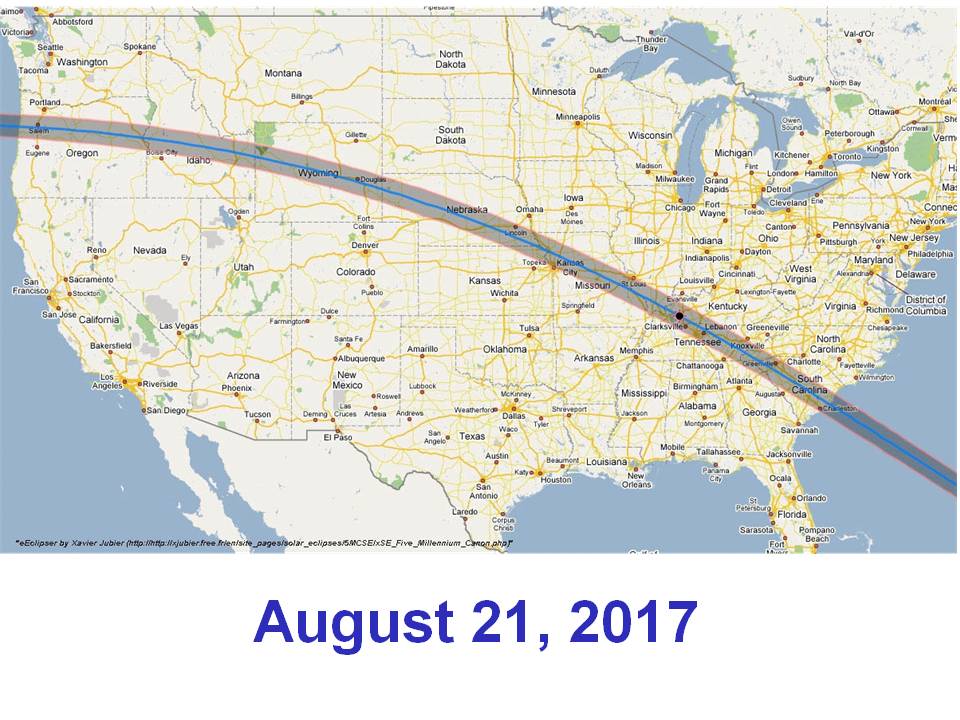
Short Description: August 21, 2017, a solar eclipse is going to be showing across the United States. This Cybrary includes some wonderful links to many many activities. 

Written by: Frances Dellutri, Jr. High / Intermediate Level SpacEdge Education Team,

Topic: Art, Astronomy
Title of Lesson: Fly Me to the Moons - Middle School
Grade (Age) Level: Grades 5-8 (Ages 10-13)

Key Topics Associated With Standards:
Scale Properties, Astronomy, Solar System Models,  Proportion, Quantity, Interpreting Data, Gravity, Patterns, Math

US Standards:  NGSS:
MS-ESS1-3 http://www.nextgenscience.org/dci-arrangement/ms-ess1-earths-place-universe

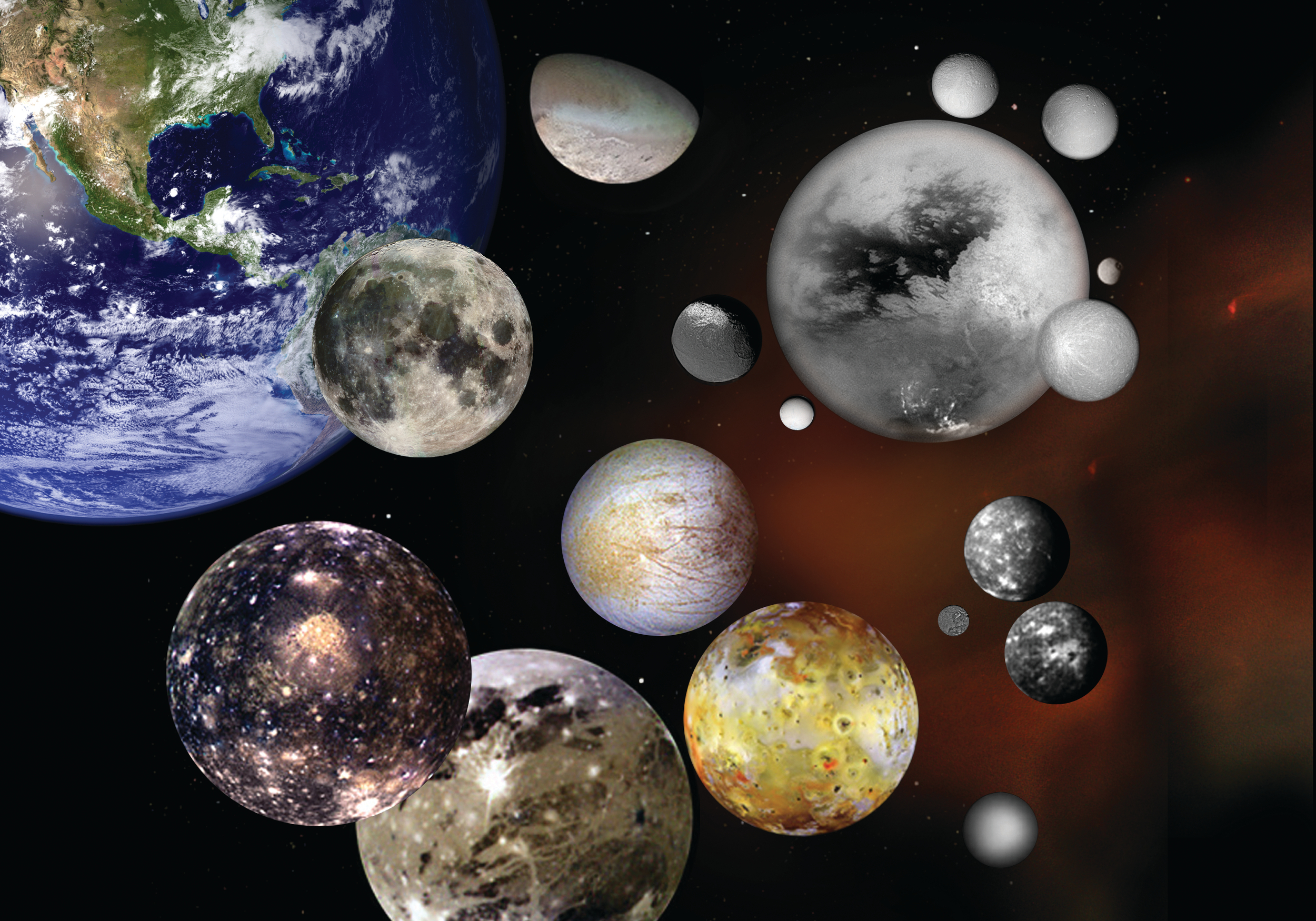
Introduce students to scale models with this lesson plan. Students engage in different model perspectives and finally focus on making a model of one of our solar system's moons with features that are to scale. 


Written by: Linda Smentek & Kimberly Tran, EIS Education Team Members, 2016
Topic: Mathematics
Title of Lesson: Does It Measure Up? Metrics vs US Measurements
Grade (Age): Gr 5-8 (Age: 10-13)

Only three countries in the world do not use the metric system - the United States, Liberia, and Myanmar. How does the metric system compare to the US Measurement system? (This will be revised)

Authors: Bonnie Thurber, Hongfeng Guo, with SN Sugumar,  Amritanshu Vajpayee 

Grade Levels/Ages: 13-16, Middle School + High School S

ubject Areas: Science, Astronomy, Space Science, Language Arts, Art, Mathematics 

In this project, students become cultural astronomers.

Authors: Bonnie Thurber, Hongfeng Guo

Grade Levels/Ages: grades 5-8, Middle School

Subject Areas: Science, Astronomy, Space Science, Language Arts, Art

In this project, students become cultural astronomers.

Written by: Suzanne Monir, Kimberly Tran, EIS Education Team Members, August 2016
Title: Introduction to Solar Eclipses
Grade (Age) Level: Grades 5-8 (Ages 10-14)
Pre-requisites: There are no pre-requisites for this course but familiarity with the solar system is recommended. 


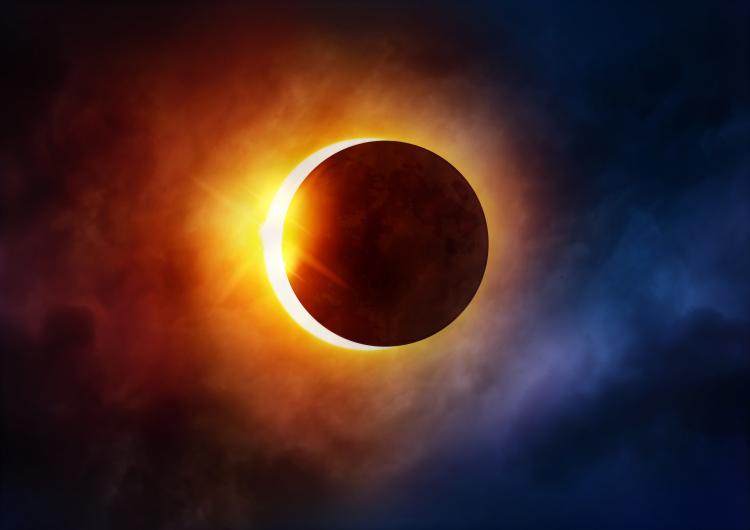
In this project, students will be completing activities to learn more about the phenomenon of solar eclipses